

Back and neck concerns
Assessment of pain, movement and posture, with exercises and advice suited to your condition.
Mubadara Elite brings personalised physiotherapy to your home. Your physiotherapist assesses movement, strength, balance and daily activities, then agrees practical goals and a treatment plan with you.
Treatment may combine guided exercise, hands-on care and selected equipment. The approach is adapted to your needs and reviewed as you progress.
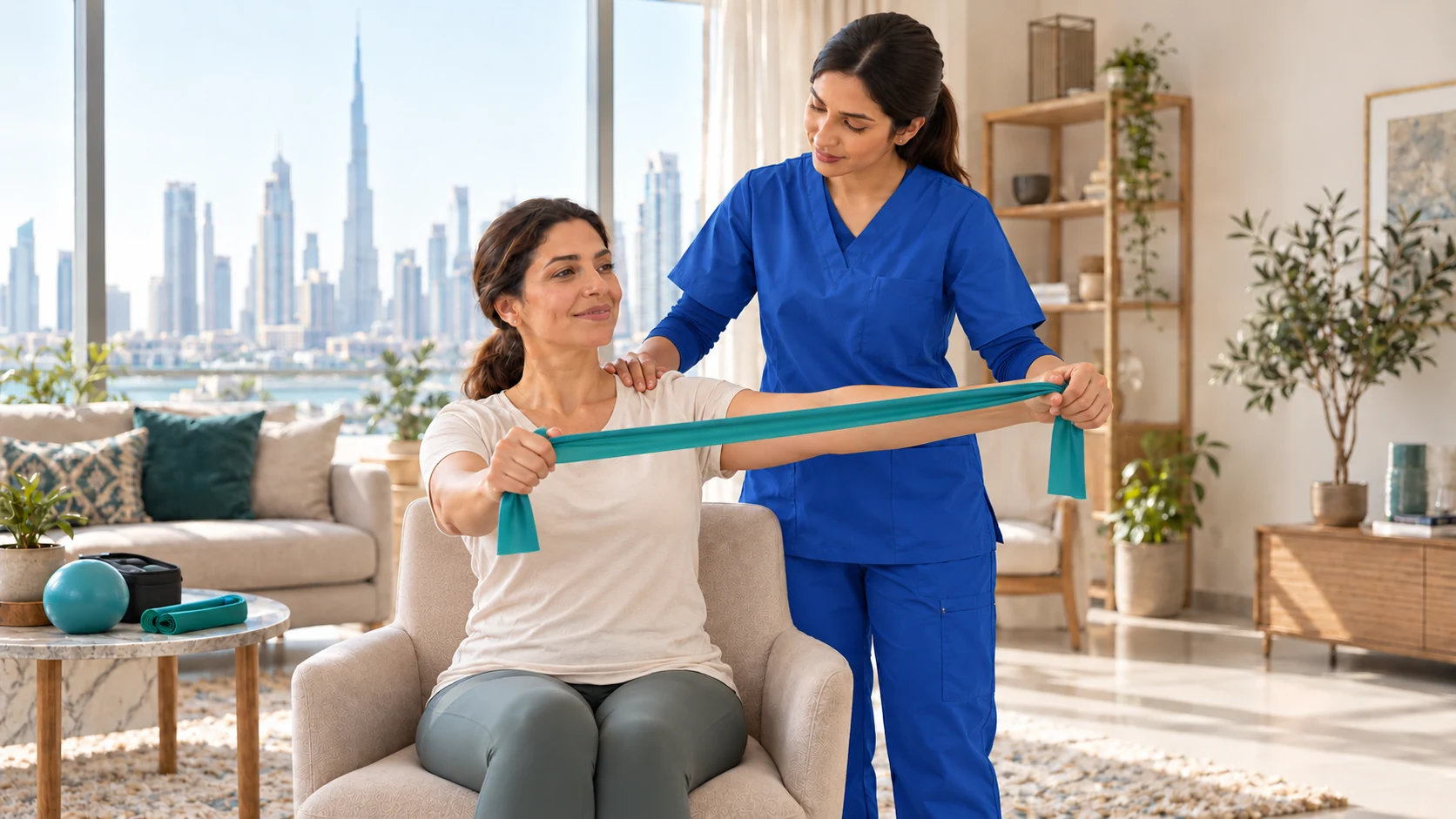
Illustrative images of home rehabilitation. Your assessment determines the appropriate care.
Assessment of pain, movement and posture, with exercises and advice suited to your condition.

Support for movement and function around the shoulder, knee, hip and other joints, according to assessment.

Rehabilitation following medical and surgical instructions, including any restrictions on movement or weight bearing.

A gradual programme of mobility, strengthening and return to activities following an injury. The plan can consider tasks such as reaching, lifting and returning to exercise, with progression guided by your assessment.

Walking practice, strength and balance exercises, and practical guidance for everyday movement at home. Goals may include getting out of bed, standing from a chair and moving more confidently, with assistance where needed.

Assessment of movement difficulties associated with neurological conditions, such as after a stroke, when suitable for home care. Tell our team about the diagnosis and assistance needed so we can confirm therapist suitability before booking.
Browse the pictures to understand the tools that may form part of your care. Your physiotherapist selects treatment after assessment; choosing a card sends an enquiry, not a treatment booking.
Illustrative images. The actual equipment model may differ. Confirm what is needed and available for your visit with our team.
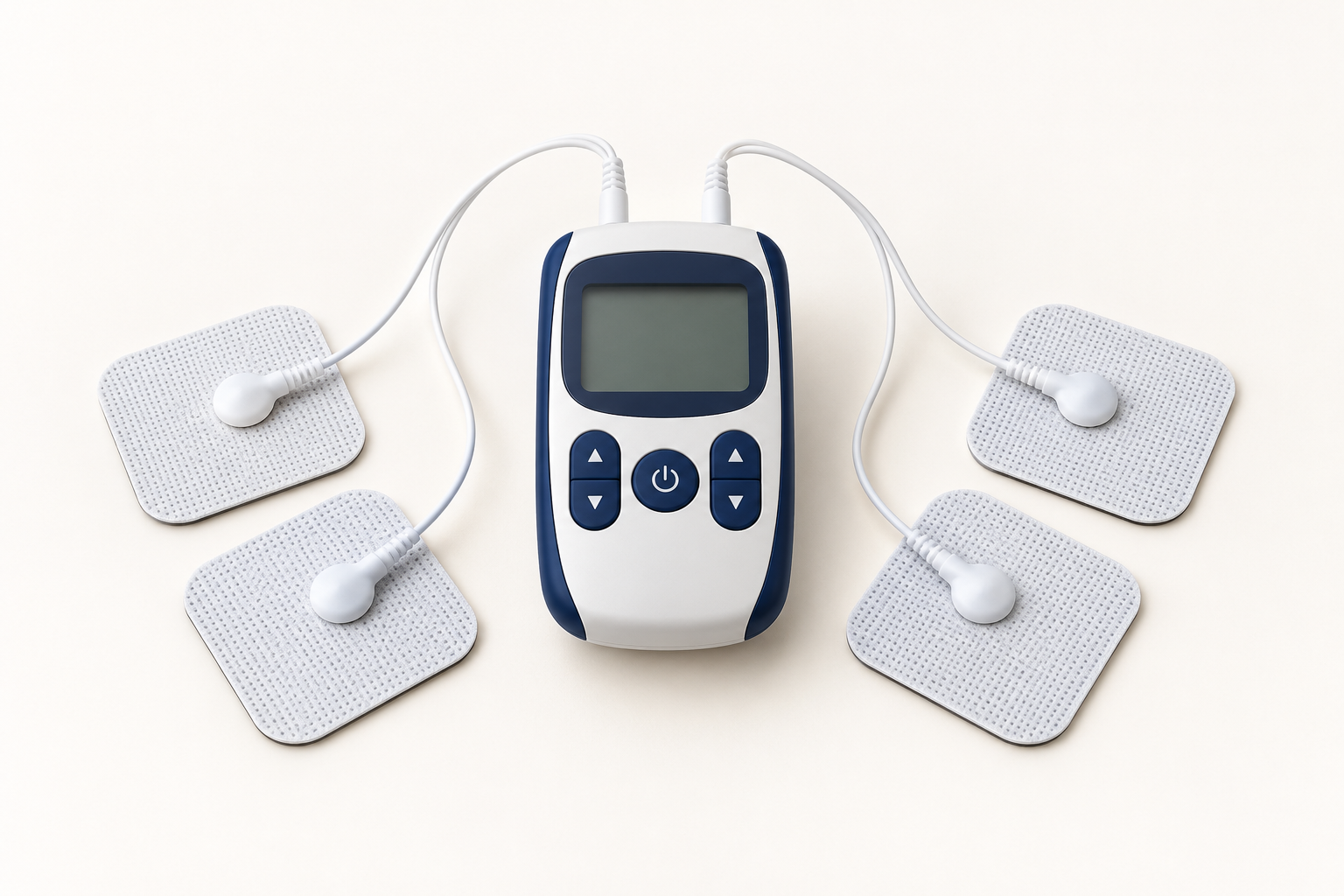
A portable device with adhesive pads that may offer temporary pain relief for some people. Your therapist checks whether it is suitable before use.
Ask about this option
Resistance bands, small weights and exercise balls support guided strength and movement exercises. The therapist selects the level and technique for you.
Ask about this option
Controlled warmth may be included for comfort when appropriate. The therapist checks skin sensation and tolerance before use.
Ask about this option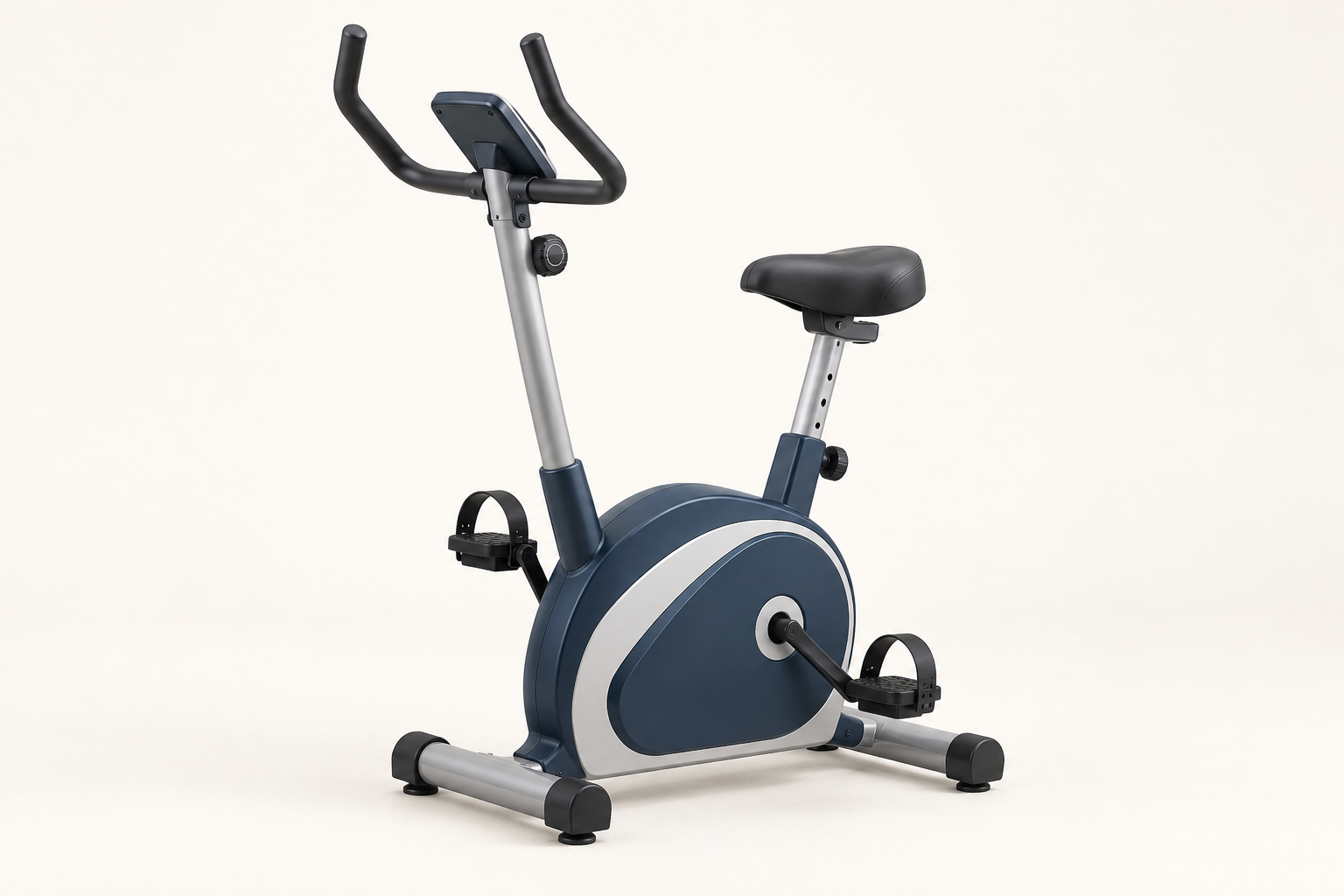
Cycling-based exercise can be included in a suitable rehabilitation plan. Resistance, positioning and duration are chosen by the therapist. Confirm arrangements for the bike before your visit.
Ask about this option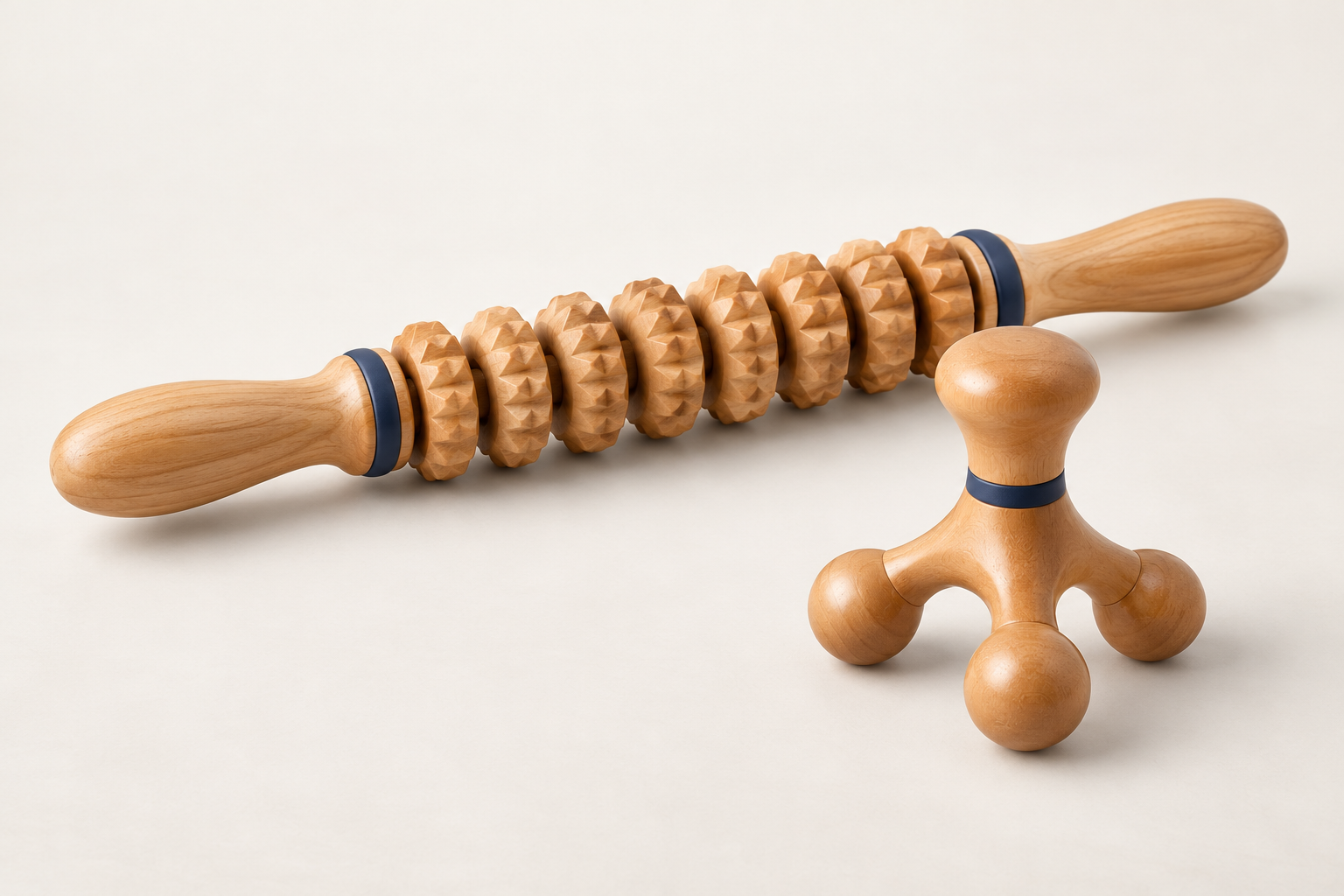
Handheld tools may be used as an addition to hands-on care. The therapist selects the tool and pressure after checking the area and your comfort.
Ask about this option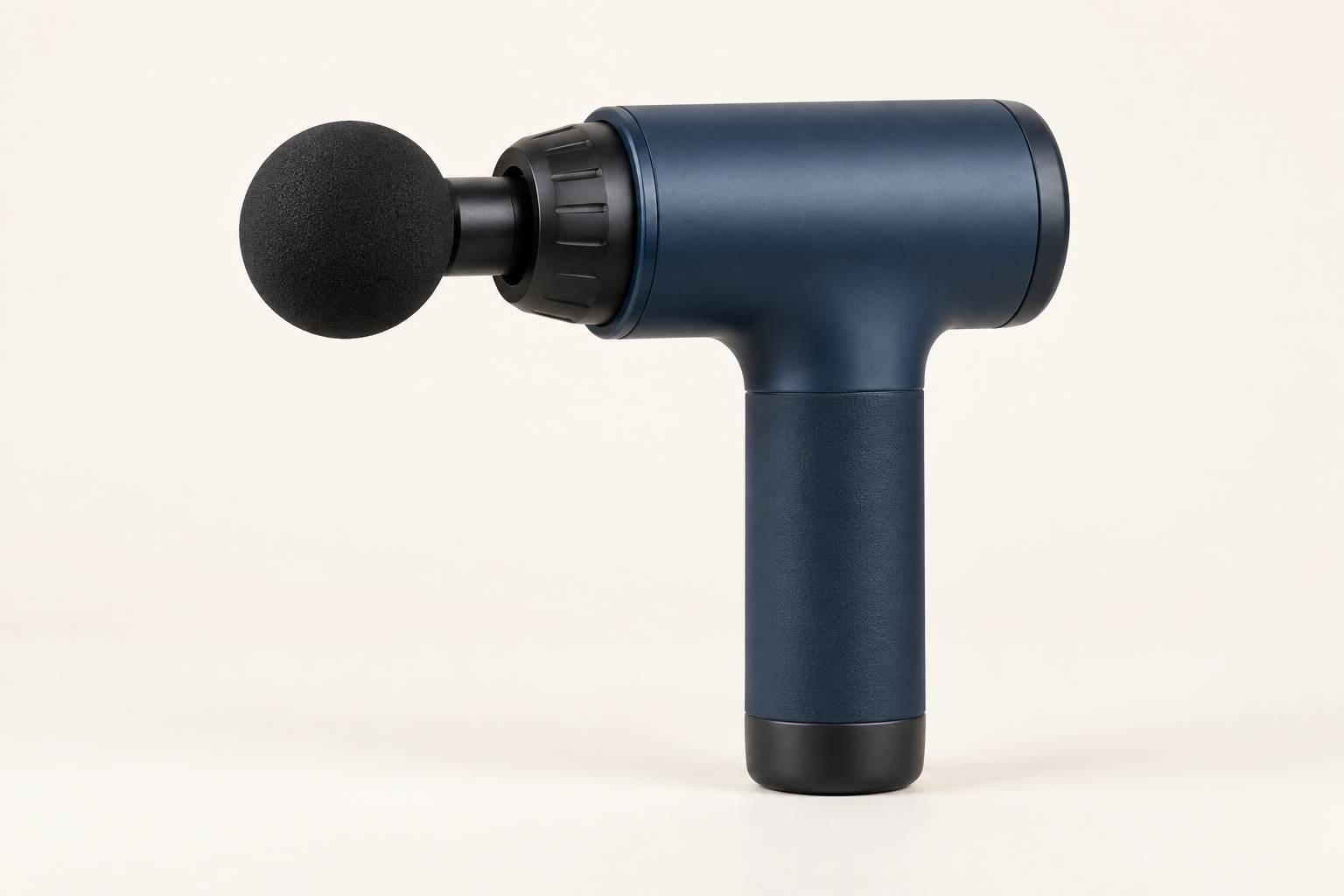
A handheld percussion device that may be considered as part of an agreed plan. It is not suitable for every area or condition; the therapist checks suitability before use.
Ask about this option
A session starts with listening to your concerns and examining how you move. Your therapist explains the findings, demonstrates exercises and helps you practise them at an appropriate level.
The plan can focus on activities that matter to you, such as getting up from a chair, walking, reaching or returning to your normal routine.
Receive suitable rehabilitation at home, with fewer journeys to a clinic.
Time to assess your concerns, explain the plan and guide your exercises.
Work on movement using your home environment where appropriate.
Understand which exercises to practise between visits and how progress will be reviewed.
Explain when the problem started, what makes daily tasks difficult and what you want to work towards. Have relevant reports, current medicines and any surgical instructions ready.
Your therapist checks relevant movement, strength, balance and functional tasks within your ability. You can ask questions and tell the therapist if an examination or movement is uncomfortable.
Discuss the findings, suitable treatment options, realistic goals and the proposed follow-up. The therapist explains any technique and asks for the consent needed before proceeding.
Begin appropriate treatment or exercises, learn what to practise between visits and agree how progress will be reviewed. The plan may change as your needs change.
Progress is more useful when it relates to what matters to you. Discuss practical goals such as walking to the bathroom, using stairs safely, dressing, reaching overhead or returning to work and leisure.
Your assessment identifies the activities that are difficult now and the support you need.
Your therapist explains which movements to practise, how to perform them and when to ask for advice.
Follow-up may review movement, strength, balance, symptoms and daily activities, depending on your goals.
The therapist discusses whether to continue, adjust or finish treatment, or seek further medical assessment.
Results and the number of sessions vary. A particular device or technique is not required at every visit, and improvement cannot be guaranteed.
Appointments are confirmed by our team. Sending an enquiry does not automatically reserve a visit.
Your therapist discusses your history and goals, assesses relevant movement and function, and explains a proposed treatment plan. Suitable treatment or exercises may begin during the visit.
Not necessarily. Discuss the planned treatment with our team before the visit. Your therapist confirms what will be brought and whether any home equipment or walking aid is useful.
No. Tools and techniques are selected according to your assessment and goals. Guided exercises, education and hands-on care may be more appropriate than a device.
Home rehabilitation may be appropriate after surgery. Please share the surgeon’s instructions, including movement and weight-bearing restrictions, so the therapist can assess and plan care.
The session length depends on the assessment and treatment plan. Our team confirms the appointment arrangements before booking.
The number varies with your condition, goals and response to treatment. Your therapist reviews progress and discusses the next steps with you.
Tell us about your condition and share a referral if you have one. The team will explain any medical information or referral needed for your case or insurance arrangements.
Yes, requests can be assessed for mobility, balance and everyday movement needs. Tell us how the person currently walks or transfers and whether a caregiver or walking aid is used.
With the patient’s agreement, a caregiver or family member can learn how to support the exercises and daily tasks included in the plan.
Share the discharge instructions and surgeon’s restrictions. The team confirms whether home rehabilitation is appropriate and what information is needed before the visit.
Tell our team your preference when enquiring. Therapist availability and suitability for your needs are confirmed before booking.
Coverage depends on your insurer, policy and any required referral or authorisation. Ask our team to check the arrangements before booking; reimbursement is not guaranteed.
Follow the individual programme explained by your therapist. Ask for advice if you are unsure about a movement or your symptoms change, rather than increasing the exercise on your own.
No. For a suspected medical emergency, call 998 for an ambulance in the UAE. Do not wait for a physiotherapy visit or a WhatsApp reply.
Speak to Mubadara Elite about your needs and arrange an appropriate physiotherapy assessment at home.